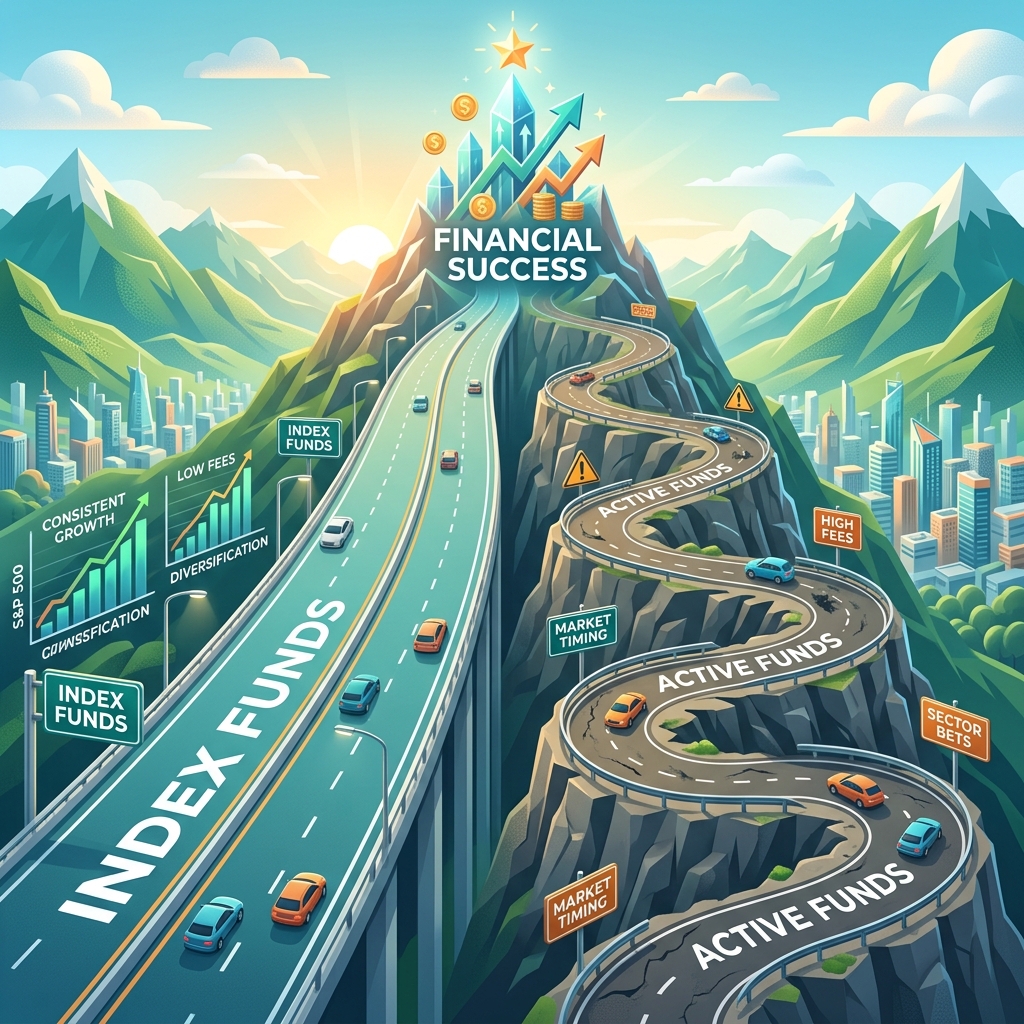
There is no free lunch in investing. Asset Management Companies charge a fee to manage your money, known as the Total Expense Ratio (TER). While 1% or 2% might sound tiny, it can cost you lakhs of rupees over a long investment horizon.
How Expense Ratios Work
If you invest ?1,00,000 in a fund with a 1.5% expense ratio, you are effectively paying the AMC ?1,500 every year, regardless of whether the fund makes a profit or a loss. This fee is automatically deducted from your Net Asset Value (NAV) daily.
The Compounding Cost
Over 20 years, a difference of just 0.5% in expense ratios can result in a portfolio difference of several lakhs. This is why many investors are migrating toward "Direct" mutual funds, which bypass distributor commissions and offer lower expense ratios, or utilizing low-cost Index Funds.
However, don't pick a fund solely because it's cheap. A fund with a 1.5% TER that consistently delivers 15% returns is vastly superior to a fund with a 0.5% TER that only delivers 10% returns. Focus on post-expense returns.